Dr. Prashant Chhajed was part of the original team that developed EBUS-TBNA at Chiba University, Japan, in 2002 — and has brought this pioneering procedure to patients across Mumbai and Western India for over two decades.
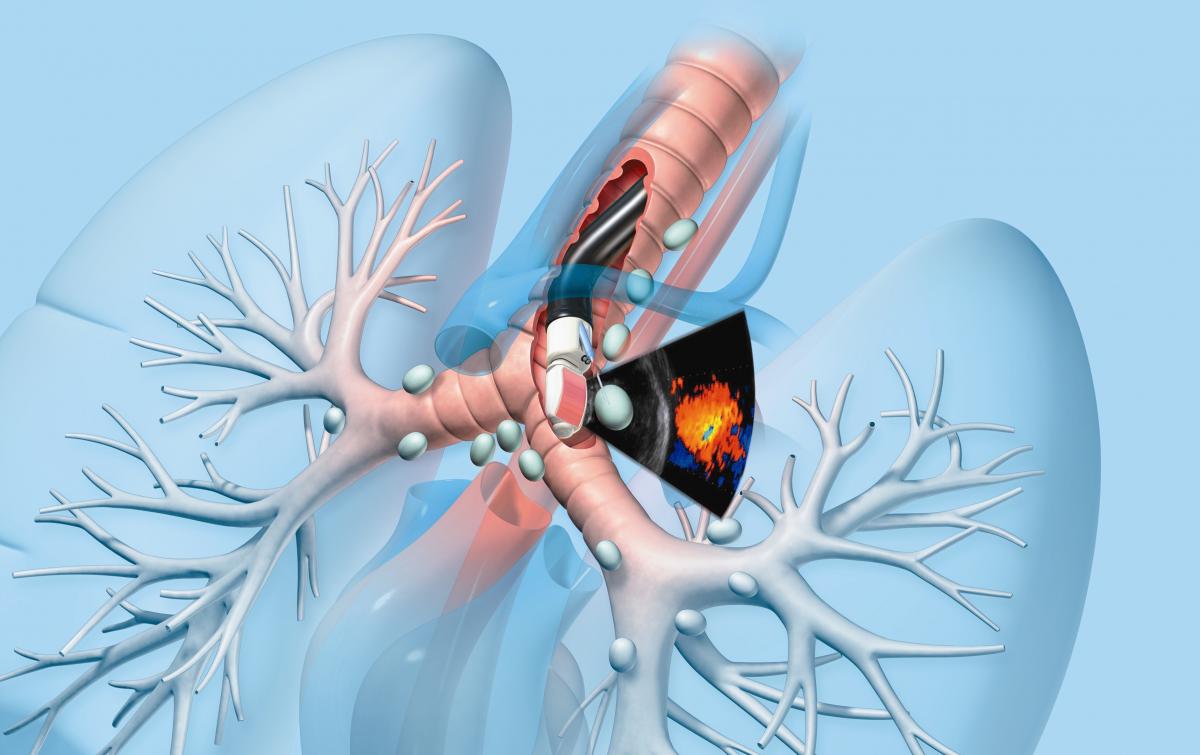
It is the first-line, guideline-recommended method for mediastinal lung cancer staging worldwide.
Recommended as first-line for mediastinal lymph node staging by ACCP/CHEST, NCCN, ESTS, and ESMO.
NCCN guidelines recommend concurrent diagnosis, staging, and molecular testing (EGFR, ALK, ROS1, PD-L1) from one procedure.
An established, evidence-based role in restaging lung cancer after treatment and in mutation analysis.
~90% sensitivity, ~99% specificity pooled internationally — consistent with Dr. Chhajed's own 89%/100% series.
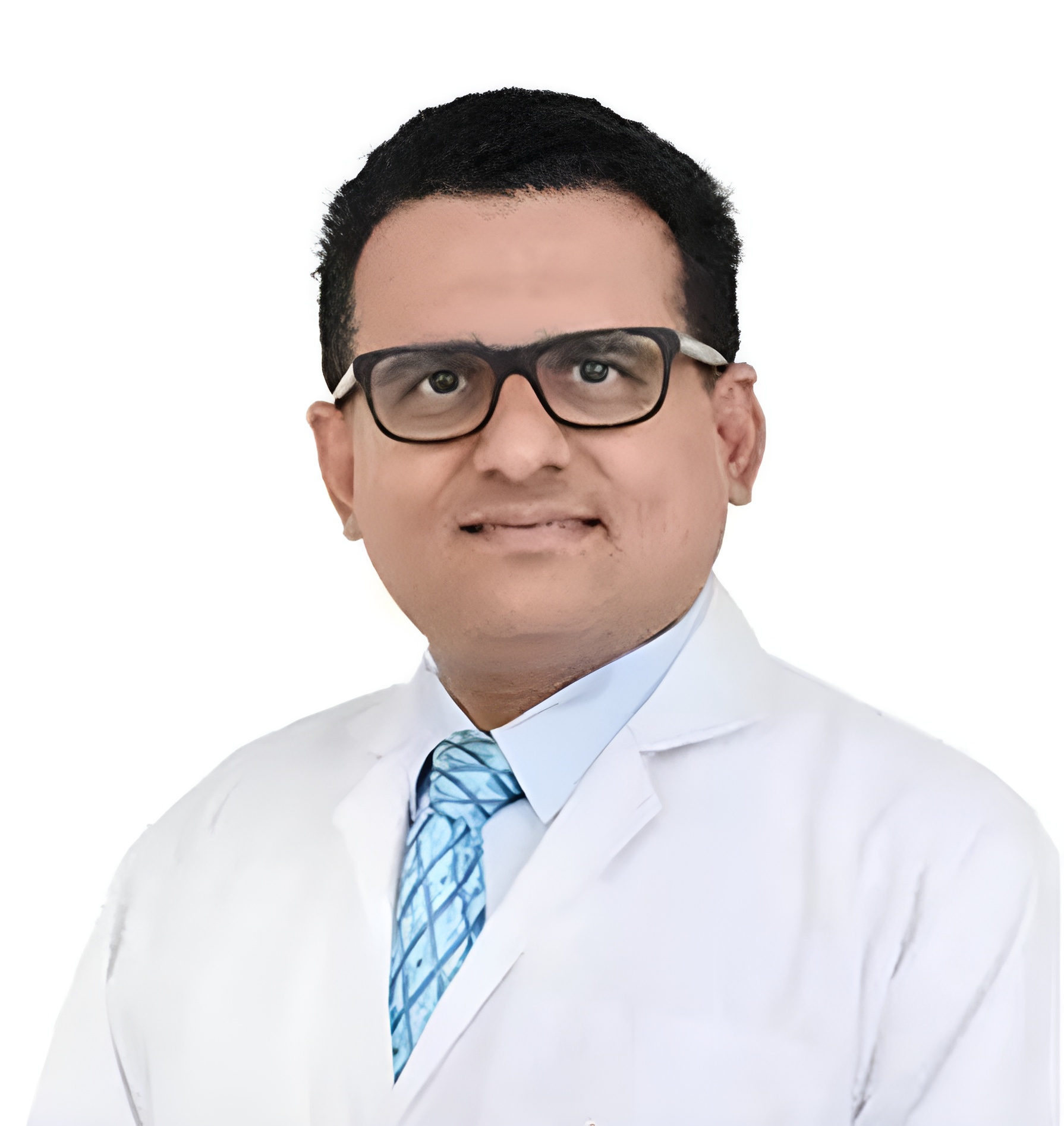
Dr. Chhajed established the Centre of Excellence for EBUS-TBNA at Fortis Hiranandani Hospital, Vashi, and continues to practice across Mumbai, bringing over two decades of EBUS-TBNA experience to patients and referring physicians.
Read Full BiographyWhether you're navigating a diagnosis or coordinating one for your patient, the next step looks different.
A plain-language guide to what the procedure is, what to expect, and how to prepare.
Indications by specialty, diagnostic evidence, and how to coordinate a case — including from outside Mumbai.
EBUS-TBNA is operator-dependent — accuracy and safety both scale with volume and experience. Vaidya PJ, Saha A, Kate AH, et al. J Cancer Res Ther. 2016;12(3):1172–1177.
A fuller FAQ — covering preparation, results, molecular testing, and recovery — lives on its own page.
No — performed under sedation, with at most a mild sore throat afterward.
Yes — tissue is suitable for EGFR, ALK, ROS1, and PD-L1 testing.
Yes — remote consultation is available for out-of-city patients and physicians.
89% sensitivity, 100% specificity, in Dr. Chhajed's own published series.
All appointments and referrals are coordinated through Santacruz, regardless of where the procedure is performed.